Need To Share Large Files? Discover Efficient Sending Methods!
In today's fast-paced digital world, the necessity to share large files efficiently has become an integral part of both personal and professional communication. Whether you're collaborating on a project, sharing multimedia files with friends and family, or transferring essential documents for business purposes, having reliable and streamlined methods for sending large files is crucial. Fortunately, there are several efficient techniques available to accomplish this task seamlessly. In this article, we'll explore these methods and provide insights into the best ways to send large files.
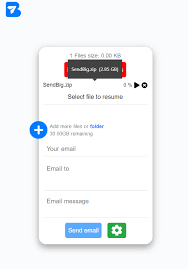
Send Large Files With Cloud Storage Services
One of the most popular and versatile methods for sharing large files is through cloud storage services. Platforms like Google Drive, Dropbox, and Microsoft OneDrive offer convenient solutions for uploading, storing, and sharing files of various sizes. Users can simply upload their files to the cloud, generate shareable links, and then send these links to recipients. This eliminates the need for attaching large files directly to emails, reducing the risk of delivery failures or congested inboxes. Cloud storage services also provide options for setting permissions and access levels, ensuring that your files remain secure and accessible only to the intended recipients.
Share Files Easily With File Compression
File compression is another effective approach to share files. By compressing files into formats like ZIP or RAR, you can significantly reduce their size without compromising on content quality. Numerous software tools, such as WinRAR and 7-Zip, enable you to compress multiple files into a single archive, making it easier to share an entire folder of large files. Recipients can then extract the compressed files on their end. However, it's important to note that some file types, such as images or videos, might already be heavily compressed, limiting the extent of further compression.
Seamless File Sharing With Peer-To-Peer (P2P) Networks
Peer-to-Peer (P2P) networks offer a decentralized approach to sharing large files. Platforms like BitTorrent facilitate the distribution of files among multiple users simultaneously. This method is particularly useful for sharing files with a wide audience, as the download speed can improve as more users join the network. However, P2P sharing may raise copyright concerns if used to distribute copyrighted content without permission. It's important to ensure that you have the legal right to share the files you're distributing through P2P networks.
Utilize Dedicated File Transfer Services
Numerous specialized file transfer services have emerged to address the specific need for sending large files securely. These platforms, such as WeTransfer and SendSpace, offer user-friendly interfaces that allow you to upload files and generate download links that can be shared with recipients. Some services offer free plans with limitations on file sizes and storage duration, while premium plans provide enhanced features such as larger file size limits and increased storage.
Leverage Email Services And Cloud Plugins
Email remains a widely used communication tool, and many email services now provide integrated solutions for sharing large files. Some email providers offer cloud storage plugins that allow you to upload large files to your cloud storage account and then insert shareable links directly into your emails. This approach circumvents attachment limitations and ensures smooth delivery. Additionally, some email services have increased their attachment size limits, but it's still advisable to use cloud storage for exceptionally large files to avoid potential delivery issues.
Conclusion
Efficiently sharing large files is essential in today's interconnected world. Whether you're collaborating on projects, sharing memories with loved ones, or conducting business transactions, having reliable methods for sending large files can greatly enhance your communication experience. Cloud storage services, file compression, P2P networks, dedicated file transfer services, and email/cloud plugins are all valuable tools at your disposal. By understanding and utilizing these methods, you can ensure seamless file sharing while maintaining security, convenience, and optimal data transfer speeds.


Comments
Post a Comment